Dreaming of a game-day crash pad near Memorial Stadium or a quiet Lake Hartwell cottage for long weekends, but not sure how the financing works? You are not alone. Second-home loans play by different rules than primary-residence mortgages, especially around Clemson and the nearby lakes. In this guide, you will learn what lenders expect, how second-home loans differ, and the practical local factors that can affect your budget and timeline. Let’s dive in.
What counts as a second home
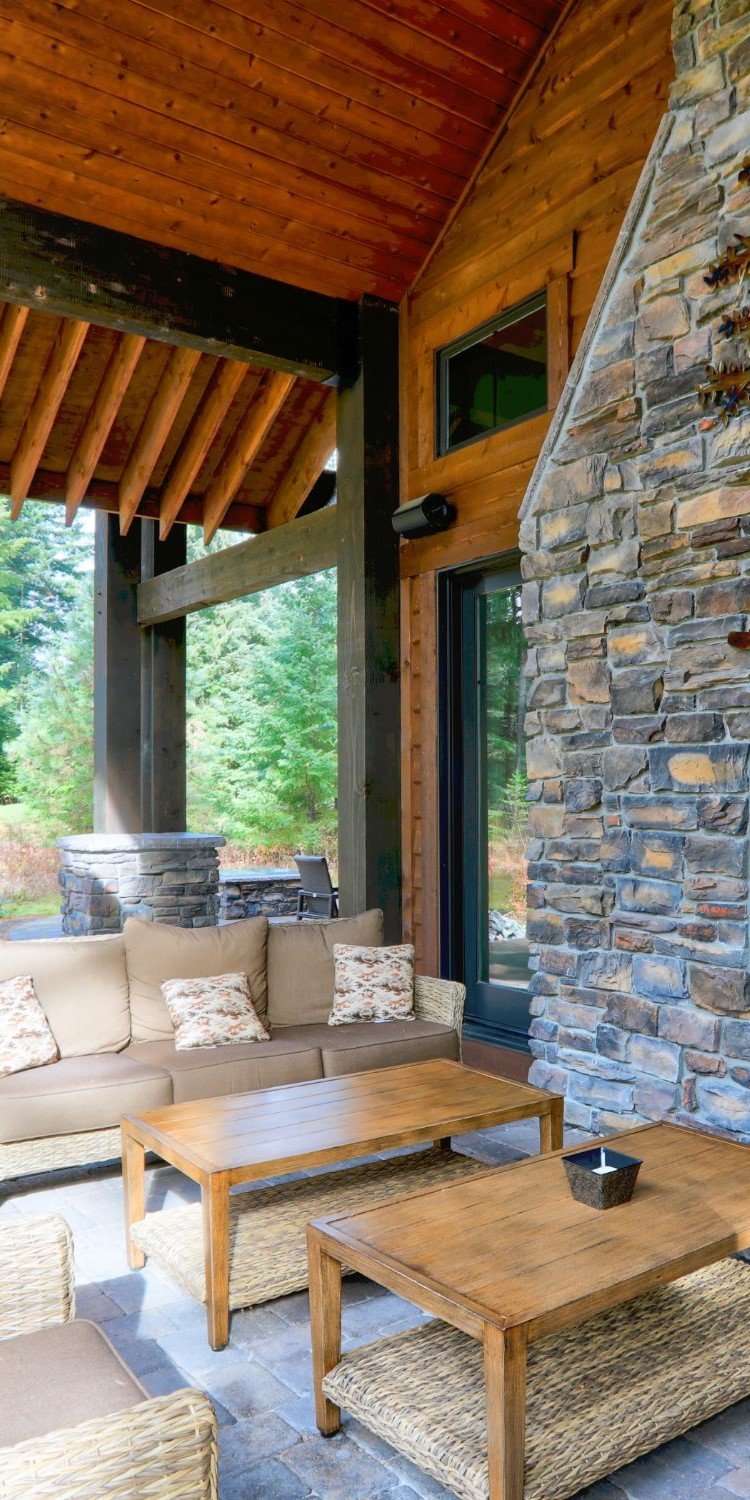
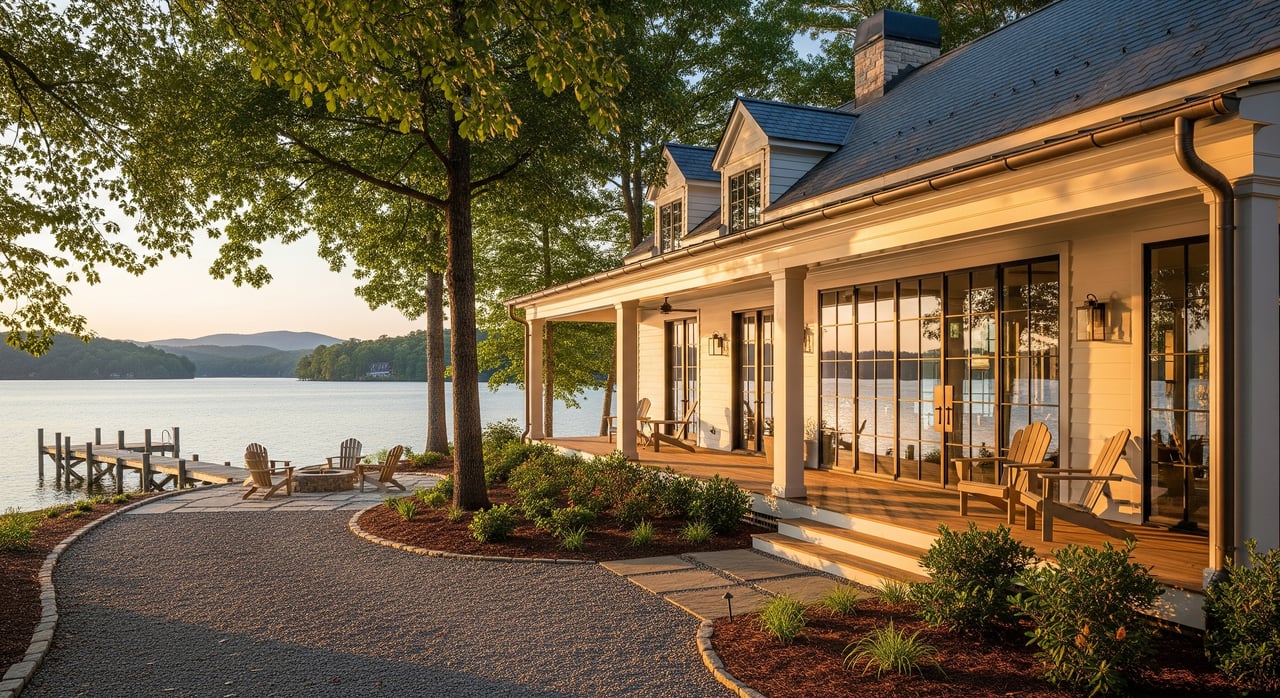
A second home is a property you own in addition to your primary residence and plan to use for your own personal stays. Think weekend lake house, game-day condo, or a small cottage for seasonal visits. It must be suitable for year-round occupancy, and you should intend to keep your primary residence.
Primary-residence loans usually have the best pricing and the lowest down payment options. They are for the home where you live most of the year.
Investment properties are purchased to generate rental income or appreciation. Lenders view them as higher risk, which means higher rates, larger down payments, and stricter reserve rules.
The big difference for you: second-home pricing typically sits between primary and investment mortgages. Lenders also apply added scrutiny to your reserves and how you plan to use the property, especially if short-term rentals are involved.
How second-home financing compares
- Rates: Second-home rates are usually a bit higher than primary-residence rates and lower than investment-property rates. The exact spread varies with the market and your profile.
- Down payment: Many conventional lenders consider second-home loans with about 10 percent down, though 15 to 20 percent is common.
- PMI: If you put less than 20 percent down, private mortgage insurance usually applies, similar to primary loans.
- Reserves: Lenders often want you to have 6 to 12 months of reserves for the new home’s full payment and sometimes for your primary home as well.
- Credit and DTI: Minimum credit expectations are often higher for second homes. Stronger pricing and lower down payment options usually favor scores at or above 700. Debt-to-income is reviewed much like a primary loan, but lenders may want stronger compensating factors.
- Programs: Conventional products are the most common for second homes. Many government-backed programs are limited to primary residences.
What lenders look for
Down payment and PMI
Expect a target range of 10 to 20 percent down for many one-unit, second-home purchases. If your loan-to-value is above 80 percent, you will likely pay PMI until you reach enough equity to remove it.
Credit score and DTI
Lenders often prefer mid to upper 600s as a floor, with better terms available for scores of 700 or higher. Your existing debts and both mortgage payments will be considered. A lower DTI, higher credit score, or larger reserves can help your approval.
Reserves
Plan for 6 to 12 months of reserves, measured as full monthly payments that include principal, interest, taxes, and insurance. The amount can increase with higher LTV, condo purchases, or self-employment.
Occupancy and rental use
You will sign an occupancy affidavit stating the home is for your personal use as a second home. Significant short-term rental use can trigger investment underwriting. If you plan to rent regularly, your lender may classify the property as an investment and adjust terms accordingly.
Condo or PUD approvals
If you are buying a condo near Clemson’s campus, the condo project may need to meet conventional approval standards. If a project is not approved, lenders can require a higher down payment, more reserves, or choose not to lend on that project.
Documentation checklist
Get your paperwork ready early. Lenders commonly request:
- Recent pay stubs and 2 years of W-2s, or tax returns for self-employed income
- Bank statements showing down payment and reserve funds
- Proof of your current primary residence
- HOA or condo documents, including budgets and bylaws, for condo purchases
Appraisal and property condition
Appraisals are required and may be more involved for unique properties like small game-day condos or lakefront homes. Expect attention to comparable sales, flood maps, and property condition.
Clemson-area factors that affect your loan
Property types around Clemson
Buyers often weigh:
- In-town condos or townhomes within walking distance of Clemson University and Memorial Stadium
- Lakefront or near-lake homes on Lake Hartwell, Lake Keowee, or Lake Jocassee
- Country cottages or wooded properties in Pickens County and nearby areas
Each has distinct underwriting touchpoints: condo project approvals near campus, flood and insurance reviews for lakeside homes, and potential well or septic considerations in rural areas.
Flood risk and insurance
Lenders check FEMA flood maps during underwriting. If the home is in a Special Flood Hazard Area, you will need flood insurance. Even homes outside mapped zones can face lake overflow risk, so it is smart to obtain quotes and understand coverage for wind and storms.
Insurance for seasonal homes
Second-home insurance can cost more than a primary-home policy. Many carriers include vacancy or occupancy clauses. If you plan longer gaps between visits, confirm how your policy treats vacancy and whether a special endorsement or policy is required.
Short-term rentals and HOA rules
If you plan to rent during football season or on select weekends, review:
- City or county short-term rental rules and any licensing
- HOA or condo restrictions, including minimum rental periods
- Lender views on the frequency of short-term rentals
Regular short-term rentals often shift your loan from a second-home classification to investment property terms.
Taxes and operating costs
Property tax rates vary by jurisdiction. Your lender will include HOA dues, insurance, flood premiums when applicable, and any known assessments in your affordability picture. For lake homes, factor in utilities, shoreline or dock maintenance, septic or well service, and seasonal care.
Local lender relationships
Regional banks and credit unions in Upstate South Carolina often know the nuances of campus-area condos and lakefront communities. If you live out of the area, consider discussing options with lenders who routinely finance Clemson-area second homes and understand local project approvals and insurance patterns.
Common buyer scenarios and outcomes
Game-day condo near Memorial Stadium
- Likely path: Conventional second-home loan.
- What to expect: Around 10 to 20 percent down is common. PMI applies above 80 percent LTV. Lenders often ask for 6 or more months of reserves. Condo project approval can impact terms. If you plan frequent short-term rentals on game weekends, underwriting may shift to investment status.
Lake house on Hartwell, Keowee, or Jocassee
- Key checks: Flood zone and insurance needs, appraisal comparables, and seasonal vacancy risk.
- What to expect: A 10 to 20 percent down payment is common for second homes, with 6 to 12 months of reserves. Insurance for lake homes can be higher, and flood insurance is required if in a mapped hazard area.
Occasional short-term rentals under 30 days
- Dual lens: Tax rules and lender rules both apply. There is a commonly cited tax provision where very limited annual rental days may not require reporting. From a lending view, frequent or professional short-term rentals can reclassify your property as an investment. Be upfront with your lender about plans and keep rental activity clearly secondary.
Your step-by-step checklist
Clarify your plan
- Decide if the home is truly a personal second home or if you expect regular short-term rentals.
- Outline how often you plan to occupy the property.
Talk to lenders early
- Minimum down payment and LTV for second homes
- Reserve requirements for both homes
- Condo or project approval rules and timelines
- How lenders treat any planned rental use
Prepare your documents
- 30 days of pay stubs and 2 years of W-2s, or 2 years of tax returns if self-employed
- Bank statements showing down payment and reserves
- Retirement or other liquid asset statements if needed
- Proof of your primary residence
Complete property due diligence
- Review FEMA flood maps and request flood insurance quotes for lake or riverside areas
- Read HOA or condo documents for rental restrictions, assessments, and reserve levels
- Discuss appraisal comparables for your specific Clemson or lake neighborhood
Line up the right insurance
- Confirm vacancy rules for seasonal occupancy
- Secure wind, hail, and flood coverage as needed
Confirm taxes and local rules
- Check property tax treatment with the county and any city levies
- Understand short-term rental licensing requirements if you plan occasional rentals
Consult the right pros
- Real estate agent with Clemson campus-area and Lake Hartwell or Lake Keowee expertise
- Lender experienced with second homes and condo approvals
- Insurance agent familiar with seasonal and lake properties in Upstate SC
- Tax advisor for rental-use implications
Build or renovate with confidence
If your second-home strategy includes a custom build, a dock upgrade, or a light renovation for lock-and-leave living, an integrated broker and builder can streamline the entire process. With local lakefront knowledge and in-house construction capability, you can find the right lot or home, tune it to your lifestyle, and position the property for long-term value.
Ready to explore your Clemson second home?
You deserve clear options, a smooth process, and a trusted local partner. If you want a lake house on Hartwell or Keowee, or a low-maintenance condo near campus, our team can help you compare financing paths, evaluate properties, and plan improvements that fit your budget and timeline. Connect with Cooper Dalrymple to see what is coming on the market and to map your next step. Be the First to See It.
FAQs
What is the difference between a second home and an investment property?
- A second home is for your personal use in addition to your primary residence, while an investment property is purchased mainly to generate rental income or appreciation and has stricter lending terms.
How much down payment do I need for a Clemson second home?
- Many conventional lenders consider around 10 to 20 percent down, with PMI required if you put less than 20 percent down.
Will my lender require reserves for a second home?
- Yes, many lenders want 6 to 12 months of reserves, often covering the new home and sometimes your primary home as well.
Can I short-term rent my game-day condo and still get a second-home loan?
- Frequent short-term rentals can cause the lender to treat the property as an investment; limited, occasional rentals may be acceptable but must be disclosed.
What special issues apply to lake houses on Hartwell or Keowee?
- Expect a closer look at flood risk and insurance, potential higher insurance costs, and an appraisal that accounts for unique lakefront comparables.
Do condo projects near campus need special approval?
- Many conventional lenders require condo project approval. If a project is not approved, you may face higher down payment or reserve requirements, or the lender may decline financing.