Thinking about a move to Clemson, but not sure what life looks like beyond football Saturdays? You are not alone. Many buyers want the energy of a university town with the everyday ease of a small city and access to the lake. This guide shows you what daily life in Clemson really feels like, where people live, how you get around, and what to consider before you buy. Let’s dive in.
Everyday life in a college town
What the day to day feels like
Clemson runs on a steady university rhythm. Weekdays bring classes, campus events, and a lively downtown core with coffee shops, casual dining, and student life. Outside the academic calendar, the pace softens and you notice the small‑town feel. You can still get what you need in town, and you are a short drive from bigger options in Greenville or Anderson.
Weekends beyond football
Non‑football weekends are about the lake, local markets, and the outdoors. You will see boats on Lake Hartwell, hikers in nearby forests, and people enjoying hometown festivals. During the off‑semester months, evenings are quieter and restaurants are easier to access. On game days, expect heavier traffic, full restaurants, and a surge of visitors.
Neighborhoods and where to live
Downtown and near campus
The walkable core centers on College Avenue and nearby streets. You will find a compact mix of dining, small retail, and services that overlap with campus activity. Homes near the core tend to be older or part of rental clusters that serve students. This area attracts buyers who want to be close to university life and can handle seasonal crowds.
Suburban streets and quiet pockets
A short drive from downtown, you will find residential neighborhoods with yard space and a calmer feel. These areas appeal to university staff and long‑term residents who want easy access to town without living in the middle of it. Most errands still require a car, but commutes to campus or local employers are simple.
Lake Hartwell communities
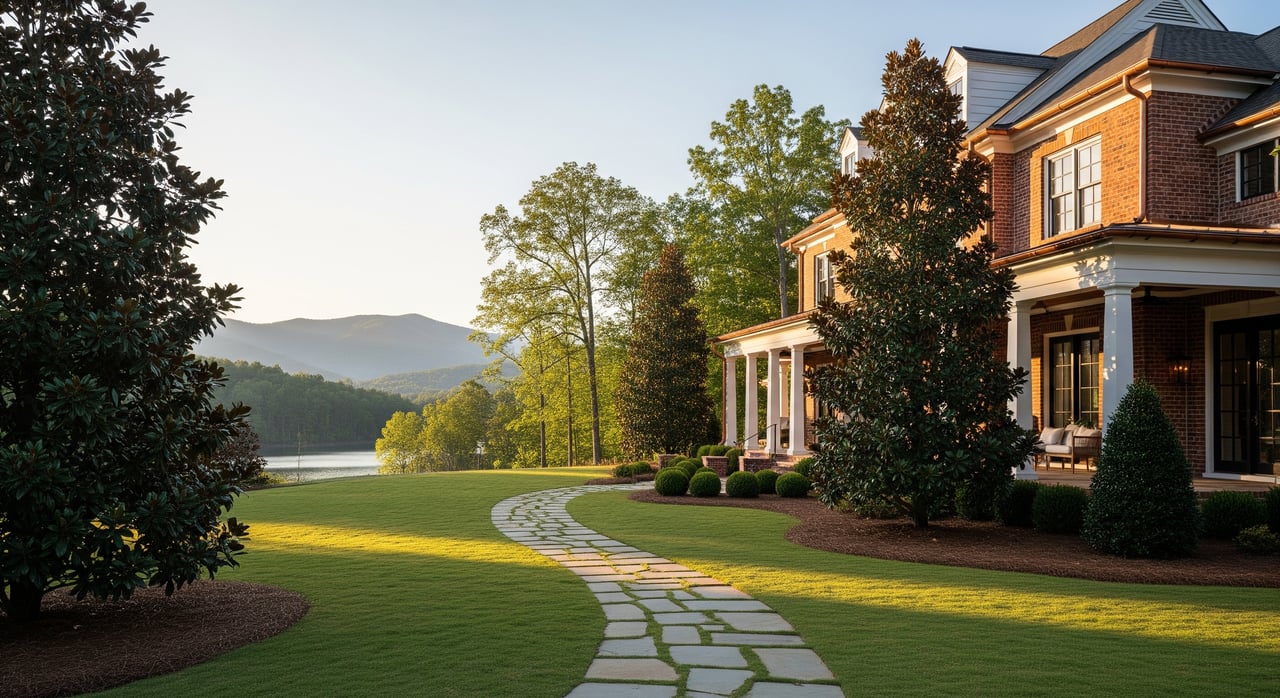
If you want water access, lake neighborhoods range from private dock homes to HOA communities with shared ramps. These areas draw recreational buyers and second‑home owners who value boating, fishing, and leisure time on the water. Ownership patterns can be more seasonal, and HOA rules or dock guidelines may apply.
Nearby towns and rural settings
Pendleton, Central, and Seneca expand your options while keeping Clemson close. Historic cores and rural roads offer a different pace than campus‑adjacent streets. Many buyers choose these towns to balance value, space, and proximity to Clemson’s services and events.
Walkability and getting around
Downtown Clemson is the most walkable pocket in the area. Most neighborhoods outside the core are car‑dependent, which is common for small cities in this region. For a quick snapshot of walkability by street, check the Clemson overview on Walk Score.
Clemson University operates shuttle services that connect campus and parts of the city, which helps if you live or work near the routes. You can review routes and schedules on the Clemson transit and parking page. If you commute to Greenville or Anderson, you will likely rely on I‑85 via regional highways. It is smart to test your drive during peak hours before you buy.
Dining, shopping, and services
Dining and nightlife
Downtown is your hub for casual restaurants, coffee, and evening spots. You will find a mix of college‑town staples and locally owned kitchens. For broader cuisine or fine dining, you can head to Greenville or Anderson, both within regional driving distance.
Grocery, retail, and everyday needs
In town, you have grocery, pharmacy, and basic services. For big‑box stores and specialty retail, you will likely go to nearby metro areas. Many residents also source trades and contractors from Greenville or Anderson when comparing bids for larger projects.
Schools and learning
Public schools in Clemson are part of the Pickens County School District. Attendance zones can influence your search, so you should verify boundaries directly with the district. Start with the Pickens County School District to confirm current assignments and programs.
Beyond K‑12, Clemson University adds cultural events, continuing education, and community programs that benefit residents. You can enjoy lectures, performances, and exhibitions on campus throughout the year.
Healthcare access
Basic clinics and urgent care are available in and near Clemson. For full‑service hospitals and specialty care, most residents use regional systems in Greenville or Anderson, such as Prisma Health and AnMed Health. If healthcare is a priority, include drive times to your preferred providers in your decision.
Outdoor life on Lake Hartwell
Water access and boating
Lake Hartwell is a major lifestyle driver in the Upstate. You can boat, fish, paddle, and spend the day on the water from spring through fall. Waterfront owners may have private docks, while others use community ramps or public sites. For rules, permits, and recreation info, check the U.S. Army Corps of Engineers page for Hartwell Lake.
Trails, forests, and parks
The Clemson Experimental Forest offers hiking, mountain biking, and educational trails minutes from town. It is an easy way to add outdoors to your weekly routine. Learn more about access and use guidelines through the Clemson Experimental Forest. For a day trip with big views, head to Table Rock State Park in Pickens County.
Seasonal rhythms
Spring and summer bring peak lake life, farmers markets, and local events. Fall adds football weekends and great hiking weather with foliage. Winter is quieter, which can be a good window for buyers who want less competition and flexible timelines.
Buying a home in Clemson
Two overlapping markets
Clemson’s housing mix reflects the university. You will see owner‑occupied homes and lake properties alongside condominiums and purpose‑built student rentals. Investor demand clusters near campus, while long‑term residents and retirees focus on quieter neighborhoods and the lake.
Lakefront vs inland tradeoffs
Waterfront living means easy access to boating and scenic views, with potential dock considerations and HOA guidelines. It can also include seasonal maintenance and unique insurance needs. Inland homes often offer simpler upkeep and a different price structure, with quick access to services and campus.
Zoning, HOAs, and rental rules
Some planned communities have HOA standards for docks, rentals, and property care. If you plan to rent to students, review local ordinances and neighborhood rules. Clear expectations will save you hassles later and help you underwrite your purchase.
Flood and insurance considerations
Lakefront and low‑lying properties may be in or near flood zones. Before you make an offer, review the official maps and talk with your insurer. Start with the FEMA Flood Map Service Center to evaluate risk and potential policy requirements.
Who chooses Clemson
Clemson attracts a mix of university faculty and staff, professionals with regional commutes, retirees seeking lake life, and investors who focus on student housing. The population swells during the academic year and major events, then settles into a quieter pace. If you want a small‑town feel with university benefits and outdoor access, Clemson fits that blend.
How we can help
If you are weighing campus‑adjacent convenience versus a lake address, you do not have to choose alone. As a boutique broker‑builder with deep experience around Lake Hartwell and Lake Keowee, we help you buy the right home or lot, then build or renovate with one coordinated team. From site selection and dock guidelines to plans, permitting, and resale value, you get hands‑on guidance at every step.
Ready to explore Clemson and the lake with a local partner who can broker and build? Reach out to Cooper Dalrymple to walk options, compare neighborhoods, and get early access to opportunities.
FAQs
Is Clemson walkable for daily errands?
- Downtown around College Avenue is the most walkable area, while most neighborhoods outside the core are car‑dependent according to Walk Score.
How busy is Clemson outside football season?
- Outside major athletic events, Clemson feels like a small, community‑oriented town with university cultural life and steady outdoor activity.
What is the commute like to Greenville or Anderson?
- Many residents drive regional highways to I‑85 for work; test your route during peak hours to confirm realistic travel times.
Where do residents access Lake Hartwell?
- Access ranges from private docks at waterfront homes to community ramps and public sites managed by the U.S. Army Corps of Engineers.
How are public schools organized in Clemson?
- Clemson is served by the Pickens County School District; verify attendance boundaries directly with the district before you buy.
What should I know about flood insurance near the lake?
- Some lakefront and low‑lying properties may be in flood zones, so review FEMA maps and consult your insurer early in the process.