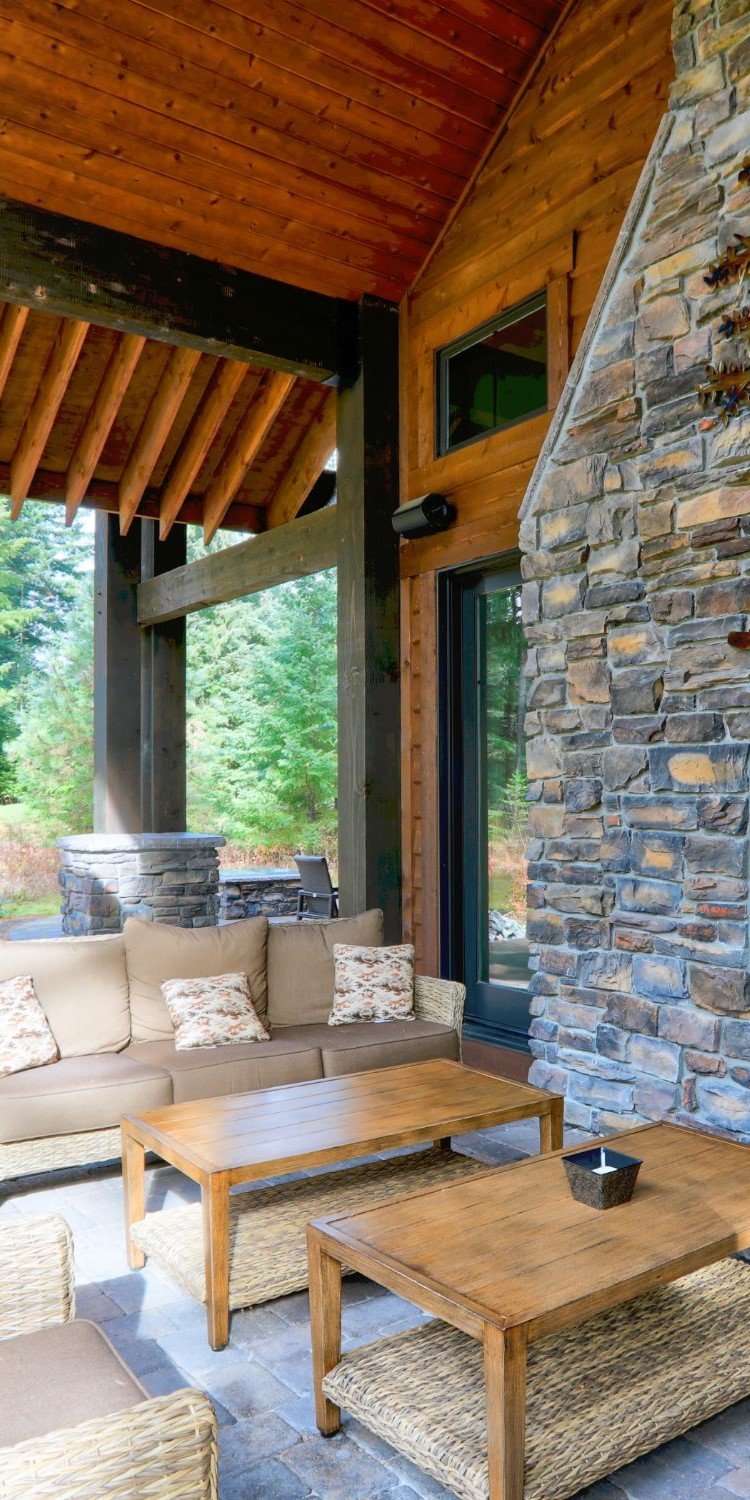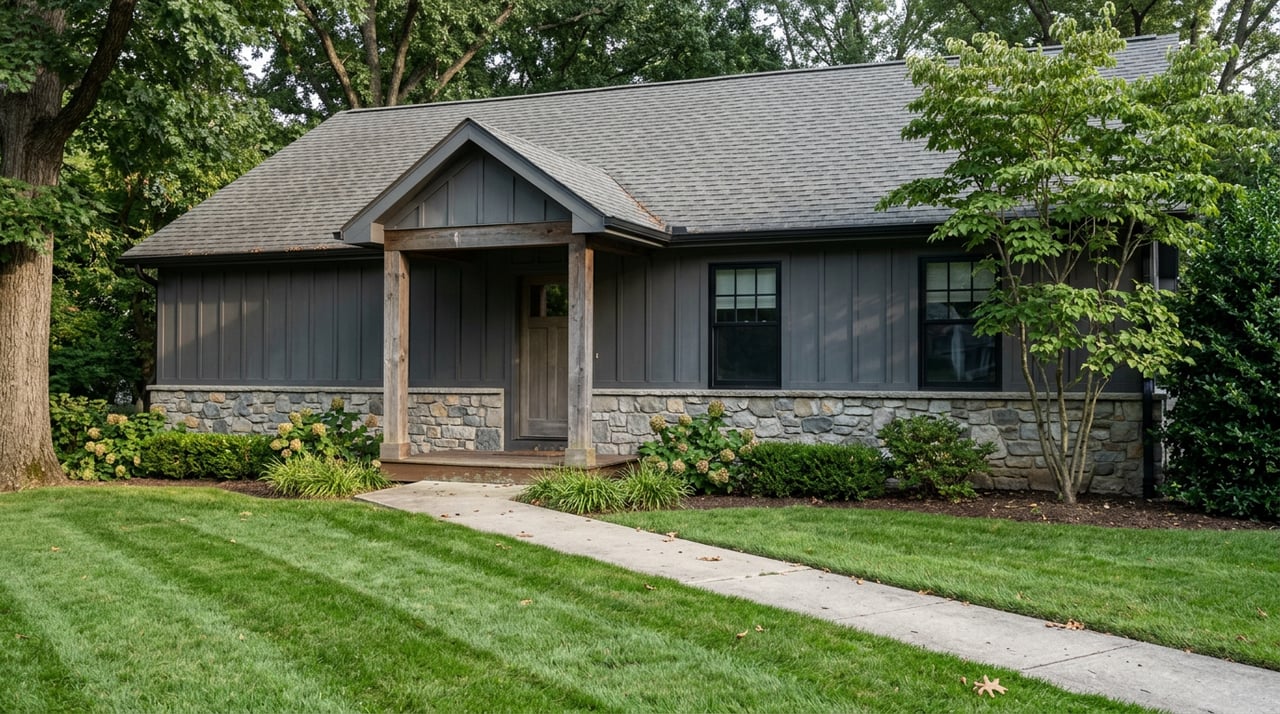
Picture a buyer scrolling listings on a Tuesday night, cross-referencing two Seneca properties in different tabs. One is a two-bedroom condo near the water, listed at $589,000. The other is a four-bedroom house ten minutes from downtown, listed at $412,000. Same town. Same zip code range. Less than half the bedrooms for more money.
That is not a typo, and it is not a fluke. It is the clearest signal in the entire Seneca market right now, and it tells you something the median price alone never will: in this town, the number of bedrooms is a footnote. Distance to water is the headline.
The Median Hides More Than It Reveals
Seneca's headline numbers look approachable on paper. In July 2026, homes listed in Seneca carried a median price of $418,000, a figure that had actually softened slightly, down 2 percent from June and down 2 percent from July 2025. Listings were spending a median of 74 days on the market before going under contract, roughly flat compared to a year earlier.
Zillow's automated home value estimate for the same window told a different story: a "typical" Seneca home valued around $273,146, up 3.7 percent over the past year and moving to pending in about 9 days. That is not a contradiction so much as a warning label. One number describes what sellers are asking. The other describes an algorithm's estimate of the whole housing stock, condos and starter homes included. Neither number describes what any specific buyer will actually pay, because Seneca does not have one housing market. It has several, stacked on top of each other, and the only thing separating them is proximity to the lake.
What the Bedroom Count Actually Buys
Look inside Seneca's active inventory from earlier this year and the pattern becomes impossible to miss. Two-bedroom homes made up a modest slice of the market, with examples ranging from roughly $105,000 to $299,000, the kind of pricing you would expect for a smaller footprint. But a handful of lake-oriented condo listings in that same two-bedroom category ran from about $439,000 up to $629,000. Move up to three bedrooms and the spread widens further, from around $219,000 to $1.2 million. Four-bedroom listings ranged from about $285,000 to $2.5 million.
That is not a market where square footage sets the price. It is a market where two entirely different products share a bedroom count and nothing else. A three-bedroom ranch a mile from the water and a three-bedroom cottage on a Keowee cove are not competing for the same buyer, even though a spreadsheet sorted by bedroom count would put them side by side.
For a buyer trying to make sense of a listing sheet, the practical lesson is this: stop filtering by bedrooms and square footage first. Filter by water access first, then let bedroom count sort itself out inside that tier. Anything else means comparing a lake product to a land product and wondering why the prices don't make sense.
The Real Comparison Isn't Within Seneca. It's Seneca Against the Shoreline.
Zoom out one more level and the same logic explains why buyers use Seneca as a staging ground for lake living rather than paying shoreline prices directly. Quarterly figures from earlier this year put Seneca's year-to-date median sales price at $312,900 through the first quarter of 2026. Lake Keowee's year-to-date median for the same stretch sat at $1.832 million. That is roughly a six-fold gap between a home in Seneca proper and a home on Keowee's actual shoreline.
What is easy to miss is that the two markets were not moving at wildly different speeds. Seneca's year-to-date days on market ran about 102, while Lake Keowee's ran about 116. A buyer might assume the cheaper market moves fast and the expensive one sits and waits for the right offer. The data says otherwise. Both markets required patience. The difference was never speed. It was the price of the view.
That is the mechanism behind Seneca's entire value proposition. You are not buying a discount on lake living. You are buying proximity to two lakes, Keowee and Hartwell both within a short drive, without paying for direct frontage on either one. The savings come from where the property sits, not from how fast it will sell or how eager the seller is to deal.
The number worth remembering is not the median. It's the ratio. Seneca prices at roughly one-sixth of shoreline pricing, for a location that still puts both lakes within easy reach.
Inventory Is Loosening, Which Changes the Negotiation
Seneca buyers also have more room to maneuver than they did a year earlier. Active inventory in Seneca climbed from 157 homes in March 2025 to 247 homes in March 2026, a jump of roughly 57 percent. Sellers who closed in March 2026 received about 97.5 percent of list price on average, which suggests some negotiating room without full-scale price collapse.
Put those two facts together and the current Seneca market rewards buyers who are willing to look past the first few listings on a portal search. More inventory means more time to compare the condo tier against the detached tier before committing. It does not mean sellers are desperate. It means the days of writing an offer sight unseen are mostly behind this particular market.
What the Rest of the Town Adds to the Equation
None of this happens in a vacuum. Seneca's downtown core, centered on Ram Cat Alley, runs through a historic district of shops, restaurants, and galleries housed in buildings dating to the late 1800s. Every Thursday from April through October, the street closes for Jazz on the Alley, a free outdoor gathering with live music that draws both residents and visitors. A new amphitheater opened in spring 2026, with a performing arts center planned for later in the year, adding cultural infrastructure that a town this size does not typically have.
Clemson University sits about 12 miles from downtown Seneca, close enough to bring a steady stream of faculty, staff, and Prisma Health medical professionals into the local buyer pool without putting Seneca inside Clemson's own inflated college-town pricing. Oconee County has earned the nickname the Golden Corner for a reason: within 30 to 45 minutes of downtown, buyers reach the Chattooga Wild and Scenic River and its whitewater rafting, along with the Jocassee Gorges wilderness area. None of that shows up in a median price calculation, but it is part of why the six-fold gap between Seneca and shoreline Keowee pricing persists. Buyers are not just saving money. They are trading direct frontage for a broader, more varied everyday life.
Who Actually Fits the Seneca Math
The buyer who benefits most from this structure wants regular access to the lake without owning the water itself. That means weekend boating, dinner at a marina, a short drive to a cove for an afternoon, not a private dock outside the back door every morning. For that buyer, Seneca's blended inventory, from $105,000 starter condos to $2.5 million estate-tier homes, offers a way to buy into the lifestyle at whatever budget makes sense, as long as they understand which tier they are actually shopping in.
The buyer who should think twice is the one comparing a Seneca listing against a shoreline Keowee listing purely on price per square foot. That comparison will always favor Seneca on paper and mislead in practice, because the two are not the same product. One is land with lake access nearby. The other is the lake itself.
Frequently Asked Questions
Is a Seneca home actually close enough to use the lake regularly? Seneca sits directly on the shores of Lake Keowee and within a short drive of Lake Hartwell, which is why many buyers use the town as a base for lake access rather than requiring waterfront footage on their own lot.
Does Clemson's proximity make Seneca pricing volatile the way some college towns are? Clemson University is close enough, about 12 miles from downtown, to bring steady demand from professionals and retirees without Seneca carrying the concentrated student-housing pricing pressure that sits inside Clemson's own market.
Should a buyer expect Seneca prices to keep softening through the rest of 2026? July 2026 figures showed listing prices down slightly both month over month and year over year, alongside rising inventory, which points toward a market that favors patient buyers rather than one in free fall.
Ready to See Where You Actually Fit
The gap between a Seneca listing and a Lake Keowee listing is not a mystery once you know what you are pricing. It is proximity, not size, and proximity is the one thing a spreadsheet filter cannot sort for you. If you want a second opinion on which tier of this market actually matches your budget and your plans for lake access, The Dalco Group knows this corner of the map street by street. Be the First to See It when the right property in the right tier comes available.